Safe Opening in Buffalo, NY: Every Method a Trained Tech Uses, from Gentlest to Last Resort
When you can’t get into your safe, the worry running through your head is usually the same one: are they going to destroy it to get it open? Here’s the honest answer that should put you at ease. A trained safe tech doesn’t have one trick, they have a whole ladder of methods, and drilling is the bottom rung, not the top. The right approach starts with the gentlest thing that’ll work and only moves to something more involved when it has to. The goal is always the same, get your valuables out and, wherever possible, leave you with a safe you can keep using.
Defense Locksmith handles safe opening for homes and businesses across the full 50-mile metro around Buffalo. We’re a mobile shop, so we come to where the safe is, and owner Simon Goodman has opened safes of every type and vintage. One thing up front: this page walks through the methods we use and why each one takes a professional, it’s not a how-to, and like any reputable shop, we verify ownership before we open anything. For a quote, call (716)-803-2934.
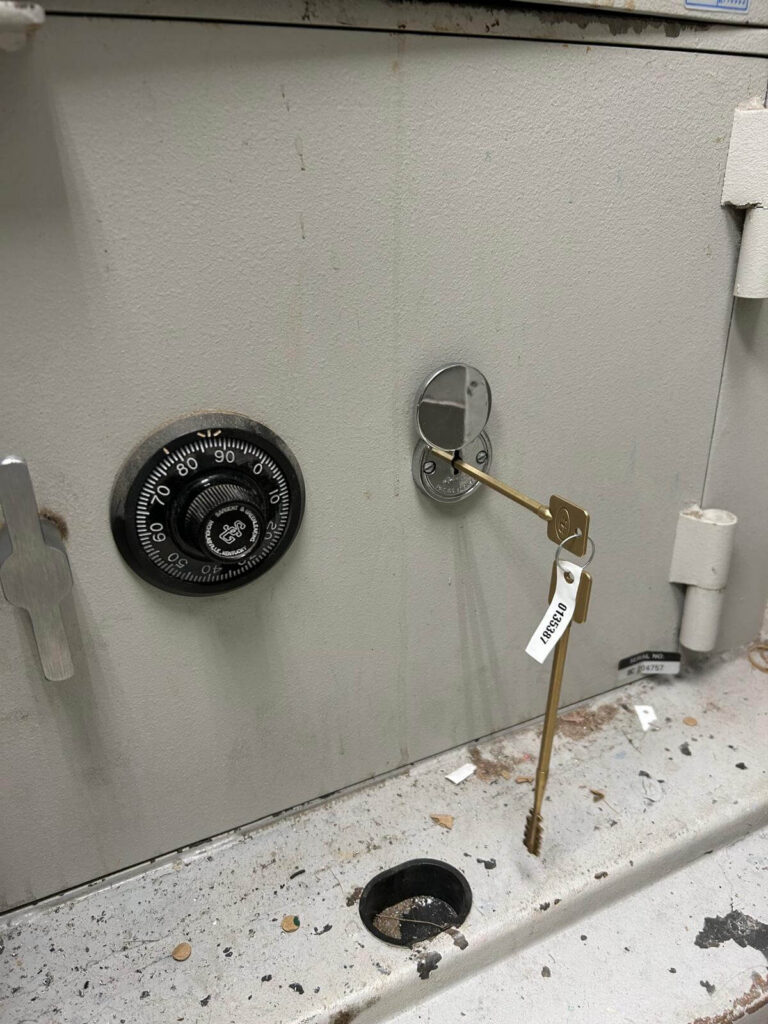
Safe opening is a ladder of methods, not one trick
Understanding this is what separates a careful opening from a wrecked safe.
We start gentle and only get more invasive as we have to
Every safe and every situation is a little different, so we match the method to the safe in front of us. The order matters: we begin with the approaches that leave the safe untouched, and we only move toward the more involved ones when the gentle routes are out. Plenty of safes open without a single mark on them, which is always the better outcome for you.
This is professional work, and we verify ownership first
Opening a safe properly takes training, the right equipment, and judgment about which method fits. It’s also work that belongs only with the rightful owner, which is why a reputable safe locksmith Buffalo NY asks for proof of ownership every time before opening anything. That’s the standard we hold to, and it’s a big part of what keeps this trade honest.
The methods, from gentlest to last resort
Here’s the full range, in roughly the order we’d reach for them. We’ll describe what each method is and when it’s the right call, without turning it into a manual.
Method 1: Working with what you know
The simplest opening starts with you. If you have part of the combination, an old code, or a sense of what it might be, we work from there first. A surprising number of “I’m locked out” calls come down to a combination that was close, a dial being turned the wrong way, or a code that needed one correction. It costs nothing to start here, and sometimes it’s all it takes.
Method 2: Recovering the original combination
This is the one people don’t realize exists, and it’s completely non-destructive. Many safe makers keep the original factory combination on file and will release it to a verified owner. With the safe’s make, model, and serial number, and your proof of ownership, we can sometimes recover that combination for you instead of touching the lock at all. When records allow it, it’s the cleanest opening there is.
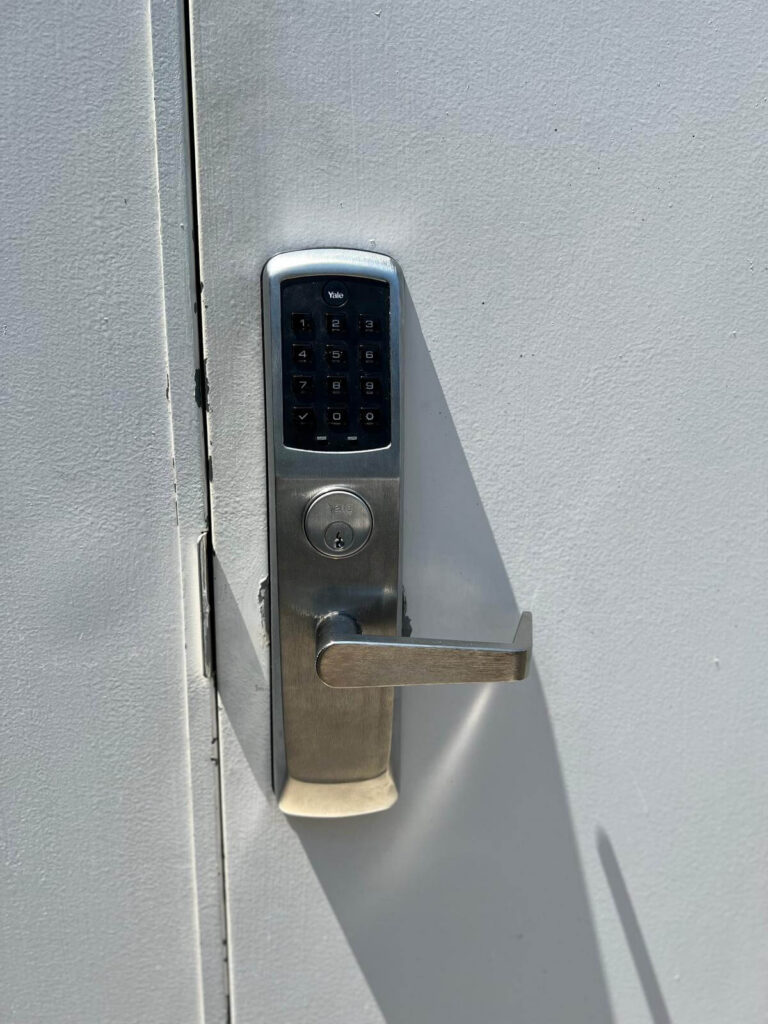
Method 3: Electronic diagnostics and lock reset
For keypad and biometric safes, a lot of “won’t open” trouble is electronic, not mechanical. We check power and batteries, look at whether the lock has put itself into a penalty lockout from too many wrong tries, and use the manufacturer’s proper procedures to address a failed or unresponsive keypad. In many cases the fix is restoring power or replacing a dead keypad, no opening force required.
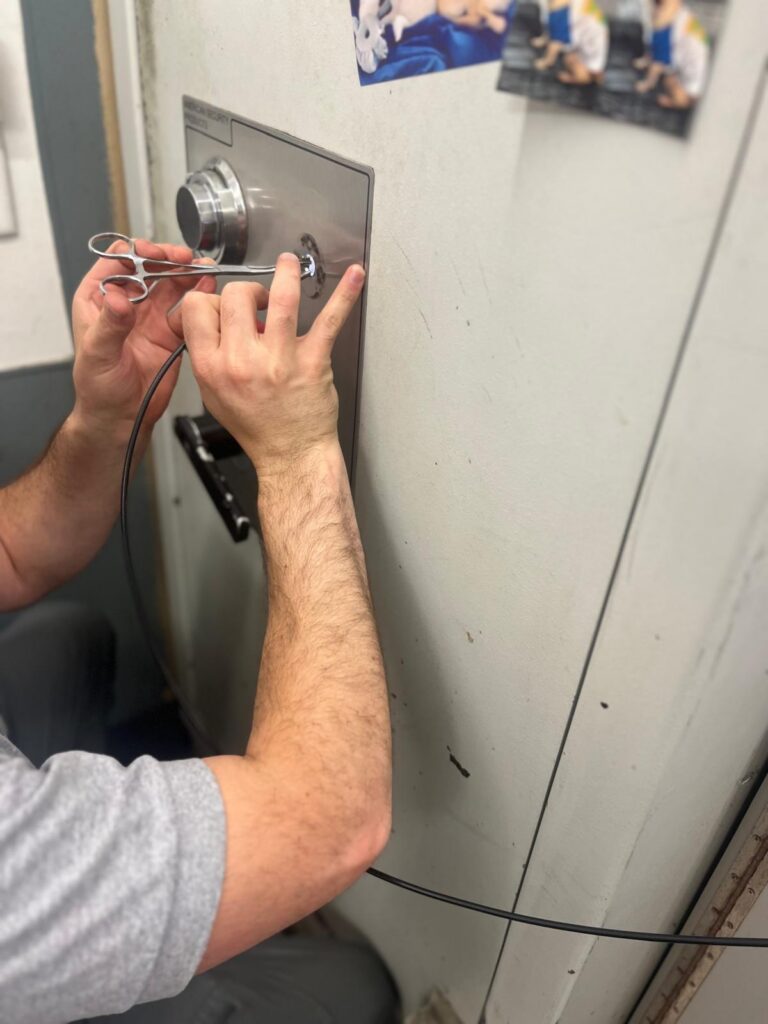
Method 4: Non-destructive manipulation
This is the skilled craft most people picture when they think of a safecracker, opening a mechanical lock without damaging it. It’s a genuine trained skill that takes time and patience, it isn’t something you pick up from a video, and it doesn’t work on every lock, especially modern ones built to resist it. When it’s possible, it leaves your safe completely untouched, which is exactly why a trained tech reaches for it before anything destructive.
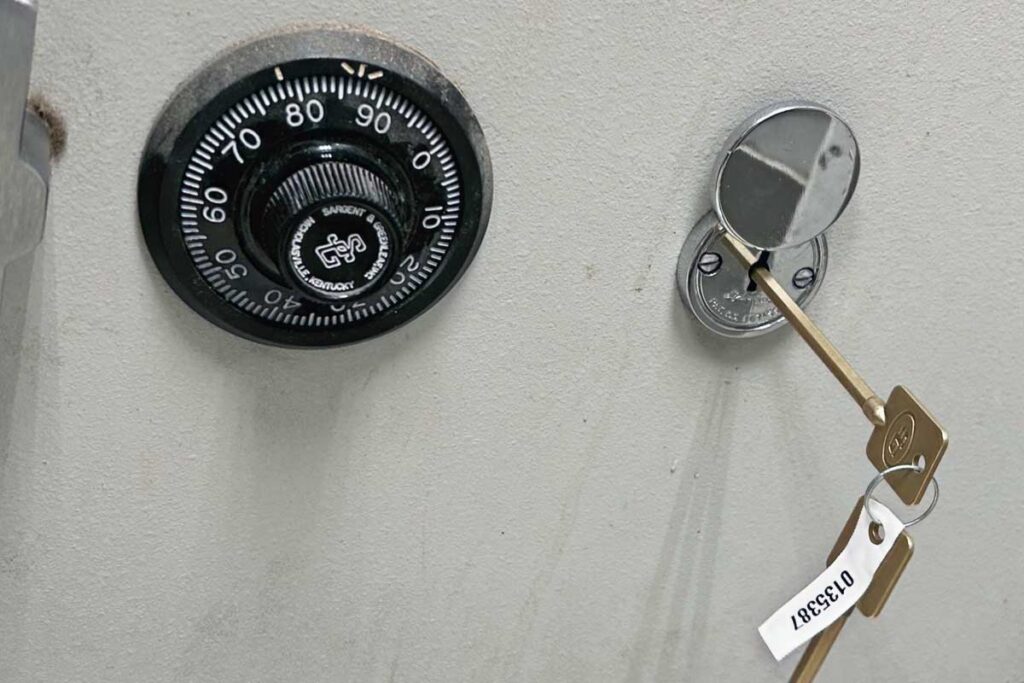
Method 5: Backup key and change-key access
Some safes have a key-operated backup or a separate change mechanism that offers another way in when the combination or code is the problem. Where a safe is built with that kind of access, using it can be a quick, clean opening. It only applies to certain safes, but when it does, it’s a gentle route.
Method 6: Controlled drilling
When the gentler methods are genuinely out, drilling is how we get you in without forcing or destroying the safe. It’s a controlled, precise step, and it’s the last rung on the ladder for a reason, we exhaust the non-destructive options first.
Why drilling is precise, not destructive
Done right, drilling means one small, exact opening to reach the lock, not tearing into the door. The safe stays structurally sound, your contents come out untouched, and we repair the opening and replace or rebuild the lock afterward so the safe goes back into service. The wrecked-safe horror stories come from forced, amateur attempts, not professional work. That’s the whole case for calling someone who does this for a living.
How we pick the method for your safe
Which rung we start on depends on a few things. The type of lock matters, electronic, dial, or biometric each point us toward different first moves. The make and model tell us whether combination recovery is even an option. The value of the safe matters too, a quality gun safe or commercial box is worth the extra time a gentle opening takes, while the math is different on a cheap fire safe. And whether you want to keep using the safe afterward shapes the approach. We weigh all of that and tell you the plan before we start, so there are no surprises.
What happens after the safe is open
Getting in is usually only part of what you need. Once the safe’s open, we set you back up. That means repairing anything that was drilled, replacing or rebuilding a failed lock, resetting a relocker if one tripped, and giving you a fresh combination or code you’ll actually remember. If your safe needed more than opening, our safe repair work covers the lock, boltwork, dial, and electronics so it protects the way it should. A safe code change at the end means you’re the only one who can get in going forward.
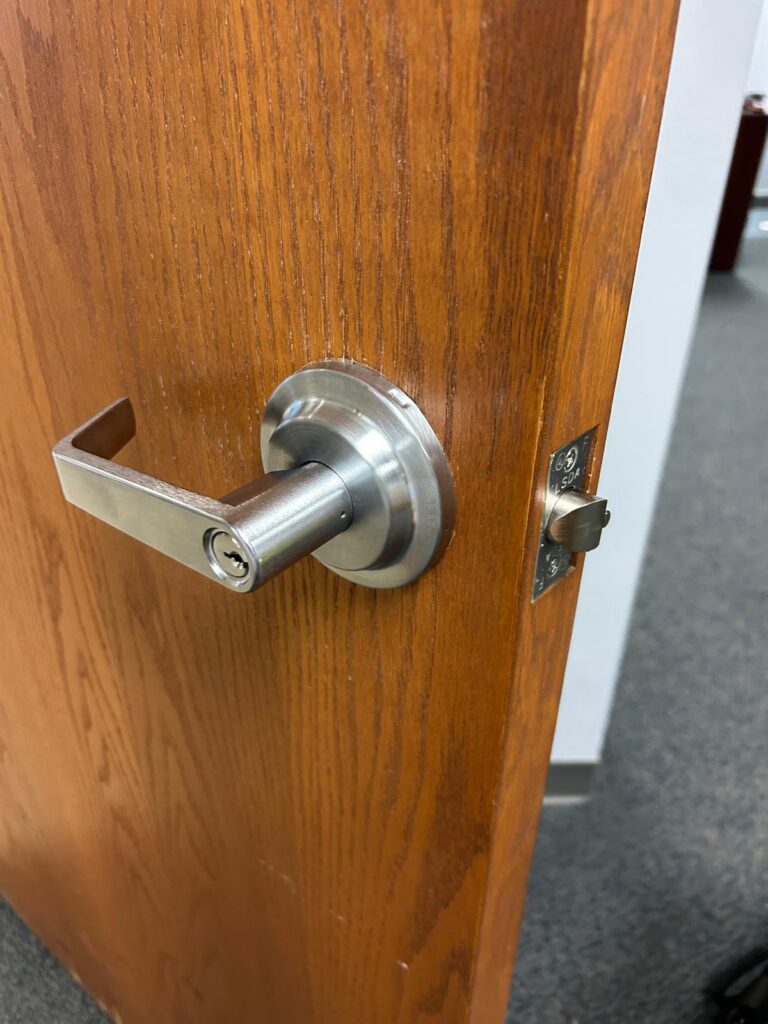
The safes these methods apply to
The ladder of methods covers just about everything people own:
- Combination dial safes, home and commercial
- Electronic keypad and biometric safes
- Gun safes, which are heavier and need careful handling
- Floor, wall, and depository safes
- Commercial and high-security safes
- Older and antique safes
High-security and antique safes are built to resist exactly what we do, or have parts that are hard to come by, so those take more time and get quoted individually. We’ll be straight about the time and cost before we begin.
“There’s a whole ladder of ways to open a safe, and drilling’s the bottom rung, not the first thing I reach for. I’d rather recover your combination, reset the lock, or work it open clean. I only drill when the gentler methods are genuinely out, and even then it’s one small, precise spot I repair afterward.”
Proof of ownership comes first
Before we open any safe, we’ll ask you to show that it’s yours, ID along with proof you own the safe or the property it’s in. A reputable locksmith does this every single time, no exceptions, and it protects you as much as anyone. If a locksmith offers to open a safe with no questions asked, that’s your sign to hang up.
What safe opening costs in Buffalo
Price depends on the safe, the lock, and which method the job calls for, so these are starting points to set your expectations. Many safe openings are quoted individually because no two safes are the same. You’ll get a real quote before any work begins, with nothing tacked on afterward.
| Service | Starting Price | Typical Timeframe |
|---|---|---|
| Safe diagnosis and assessment | From $79 | 20–45 minutes on site |
| Combination recovery, where records allow | From $99 | By quote |
| Electronic lock reset or battery and lockout fix | From $79 | 20–45 minutes on site |
| Safe opened without drilling, when possible | From $129 | 30–90 minutes on site |
| Gun safe opening | From $149 | By quote |
| Safe drilling and opening | From $199 | By quote |
| High-security or commercial safe opening | From $299 | By quote |
| Lock replacement and recombination after opening | From $149 | By quote |
Where we go
We’re based in Buffalo and cover the full 50-mile metro across the 716. Safes are heavy and built-in ones can’t move, so the fact that we come to you matters. Wherever yours is, we’ll come to it.
- Buffalo and the surrounding city neighborhoods
- Amherst, Williamsville, Kenmore, Tonawanda, and Cheektowaga
- West Seneca, Lancaster, Clarence, Depew, and Orchard Park
- The rest of Erie County and Niagara County, including Niagara Falls and Lockport
How to make sure you’re hiring a real locksmith
You’re trusting someone with the box that holds your valuables, so who does the work matters a great deal. New York consumers get burned regularly by national dispatch outfits that pose as local shops, quote a low price on the phone, send an unmarked subcontractor, and run the bill up once the work’s done. The New York Attorney General’s office tracks complaints like these every year.
Defense Locksmith is a real Buffalo company with an owner you can talk to directly. Our technicians are background-checked and insured, we show up in marked vehicles, and customers across the area have rated us five stars on Google. We’re Google Guaranteed, an Approved Pro on HomeAdvisor, and Better Business Bureau accredited. On the commercial side, businesses like Aldi, Dollar General, Safelite AutoGlass, Taco Bell, and Rite Aid have trusted us with their hardware. If you want to confirm a locksmith is legitimate before you let them near your safe, the official resources at the bottom of this page are where to look.

Questions Buffalo safe owners ask us
Are you going to destroy my safe to open it?
Almost never. We start with non-destructive methods, and many safes open with no mark at all. Even when drilling is the only way left, it’s one small, precise opening that we repair afterward so the safe keeps working.
Can I just open it myself, or will you tell me how?
Safe opening is skilled professional work, and trying it yourself is the fastest way to damage the safe or trigger a relocker that makes it far harder to open. We don’t walk people through defeating a safe, what we do is come open yours properly, once you’ve shown it’s yours.
I lost the combination. Is there any way to get it back without drilling?
Sometimes, yes. Many manufacturers keep the original combination on file and will release it to a verified owner. With your make, model, serial number, and proof of ownership, we can try to recover it before touching the lock.
My electronic safe won’t respond. What now?
Often it’s a dead battery or a penalty lockout from too many wrong tries, and sometimes the lock has failed. We diagnose it and get you in, then sort out the lock.
Do you need proof it’s mine?
Yes, every time. We’ll ask for ID and proof you own the safe or the property it’s in before we open it. It’s a quick step that protects you.
Do you come to me?
We do. Safes are heavy and built-in ones can’t move, so we do the opening on site anywhere in Buffalo, Erie County, or Niagara County.
Call Defense Locksmith
Locked out of your safe, lost the combination, or stuck with an electronic lock that’s quit? We open it with the gentlest method that’ll work, repair what needs it, and set it back up, with drilling only as a careful last resort. For safe opening, drilling, repair, and combination changes anywhere in Buffalo, NY, Erie County, and Niagara County, call (716)-803-2934 today and ask for a quote.