High-Security Locks in Buffalo, NY: What You Actually Get for the Extra Money
 Walk into any hardware store and you can buy a deadbolt for twenty dollars. A locksmith will quote you several times that for a high-security cylinder and tell you it is worth it. Fair question: worth it how, and to whom?
The honest answer is that high-security locks solve three specific problems, and if none of those three apply to you, a good grade 2 deadbolt properly installed is genuinely enough. Here is what separates the categories, so you can decide rather than be sold.
The Three Things You Are Buying
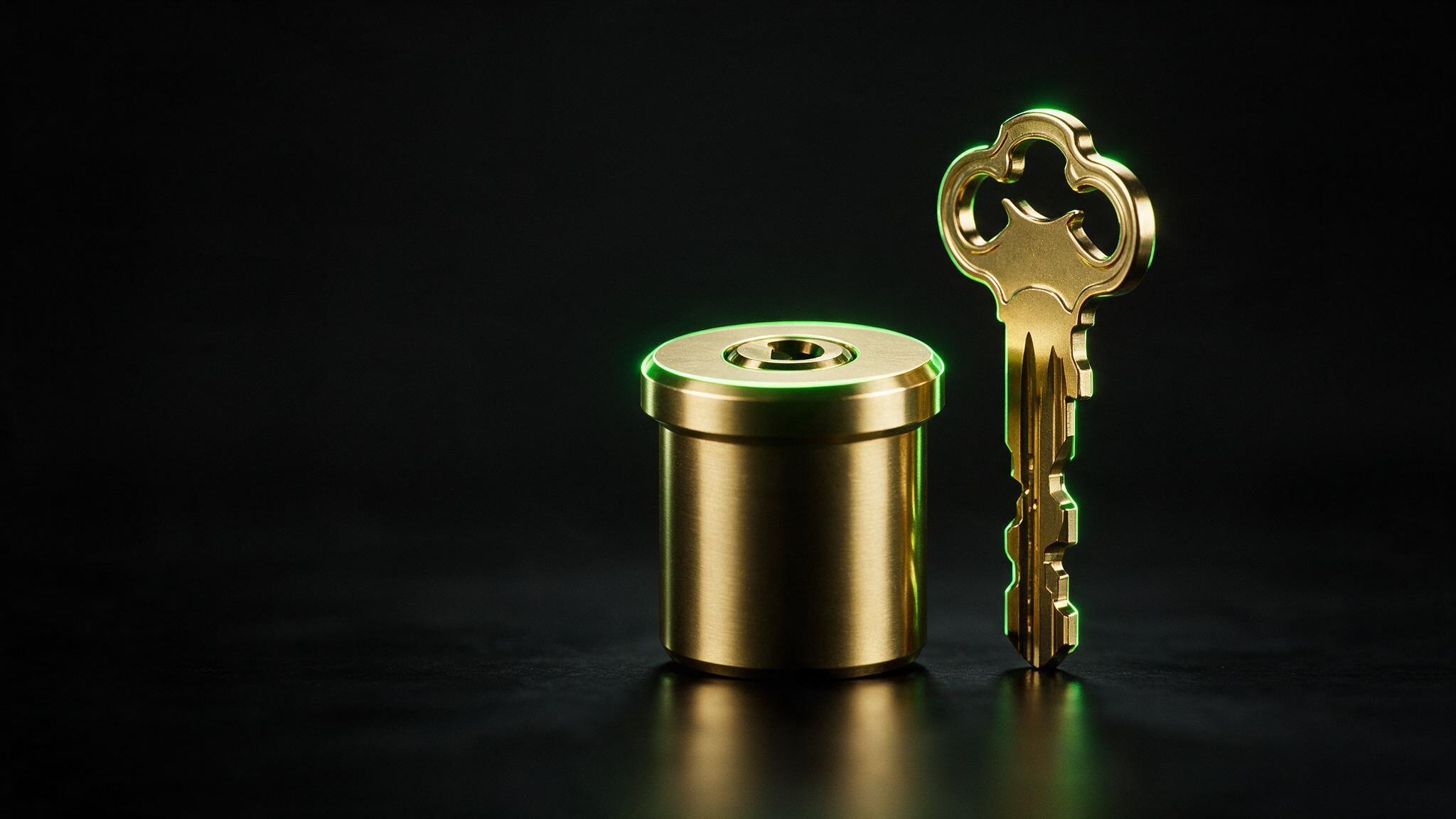
1. Key control. This is the big one, and it is the reason most of our commercial customers make the switch. A standard house key can be copied at any kiosk, hardware store or big-box counter by anyone holding it, for a couple of dollars, with no questions asked. A high-security system uses a patented keyway and restricted blanks, which means blanks are not sold to the public and copies can only be cut by authorised dealers against your signed authorisation.
Think about who has held your key: a contractor, a cleaner, a former tenant, an ex-employee, a dog walker. Any of them could have made a copy in five minutes, and you would never know. Key control ends that. For a landlord or a business, it is usually the whole reason to upgrade — and it pairs naturally with a master key system.
2. Physical attack resistance. Better cylinders are built with hardened steel inserts that resist drilling, reinforced housings that resist being twisted or pulled out of the door, and internal designs that resist the quick manipulation techniques that work on basic pin tumbler locks. A commercial-grade lock is also simply built to survive far more cycles — a grade 1 deadbolt is tested to hundreds of thousands of operations, which matters on a door used fifty times a day.
3. Certification you can check. ANSI/BHMA grading is the standard worth knowing. Grade 3 is basic residential. Grade 2 is a solid residential or light commercial lock and is the sensible minimum for an exterior door. Grade 1 is commercial duty. A lock either carries the grade or it does not, and it is printed on the box.
The Part Nobody Tells You
 Here is the thing that will save you the most money in this whole article: the door and the frame usually fail before the lock does.
We have opened plenty of doors where somebody spent real money on a superb cylinder and the frame was still held together with half-inch screws in soft pine trim. Nobody attacks a good lock when the wood beside it will give up first.
So the order of operations is:
- Fix the strike and the jamb first. A reinforced strike plate with three-inch screws into the stud costs a few dollars and does more for resistance to force than any cylinder upgrade.
- Then a solid door. A hollow-core slab on an exterior opening undoes everything else.
- Then the cylinder. Once the opening itself is sound, upgrading the lock is what raises the ceiling.
Any locksmith who quotes you a high-security cylinder without looking at your frame is selling hardware, not security.
Who Genuinely Needs One
Landlords and property managers. Tenant turnover means keys in circulation you cannot account for. Restricted keys plus a documented master system is the only way to actually know who can open what — see master key systems for landlords.
Businesses with staff turnover. Same logic. If an ex-employee could have copied a key, every lock they had access to is open until you rekey. Restricted keys mean that copy was never possible. Our commercial locksmith team does this work constantly.
Anyone storing something genuinely valuable. Tools, inventory, firearms, equipment.
Anyone who has had a break-in or a stalking or harassment concern. Knowing with certainty that no unaccounted-for key exists is worth a great deal when you are not sleeping.
Who does not need one: a typical homeowner with an intact frame, a solid door, a decent grade 2 deadbolt, and a full accounting of their keys. If that is you, spend the money on a rekey and a reinforced strike instead, and you will be well served.
Questions Buffalo customers ask us about high-security locks
What actually makes a lock “high security”?
Three things together: a patented keyway with restricted blanks so keys cannot be freely copied, hardened components that resist drilling and forcing, and a certified ANSI/BHMA grade. A lock that only has one of the three is a better lock, not a high-security one.
Can someone still copy my key at a hardware store?
Not with a properly restricted system. The blanks are not sold to the public and the patent means unauthorised blanks are not legally manufactured. Copies come only from an authorised dealer against your written authorisation, so you get a record of every key that exists.
Is a high-security lock worth it for a normal house?
Often not, and we will tell you so. For most homes the better spend is a reinforced strike, a solid door and a rekey. Where it does earn its place in a home is if you rent it out, have had keys go missing, or have a specific reason to need certainty about who holds a key.
Do I have to replace my whole door lock to upgrade?
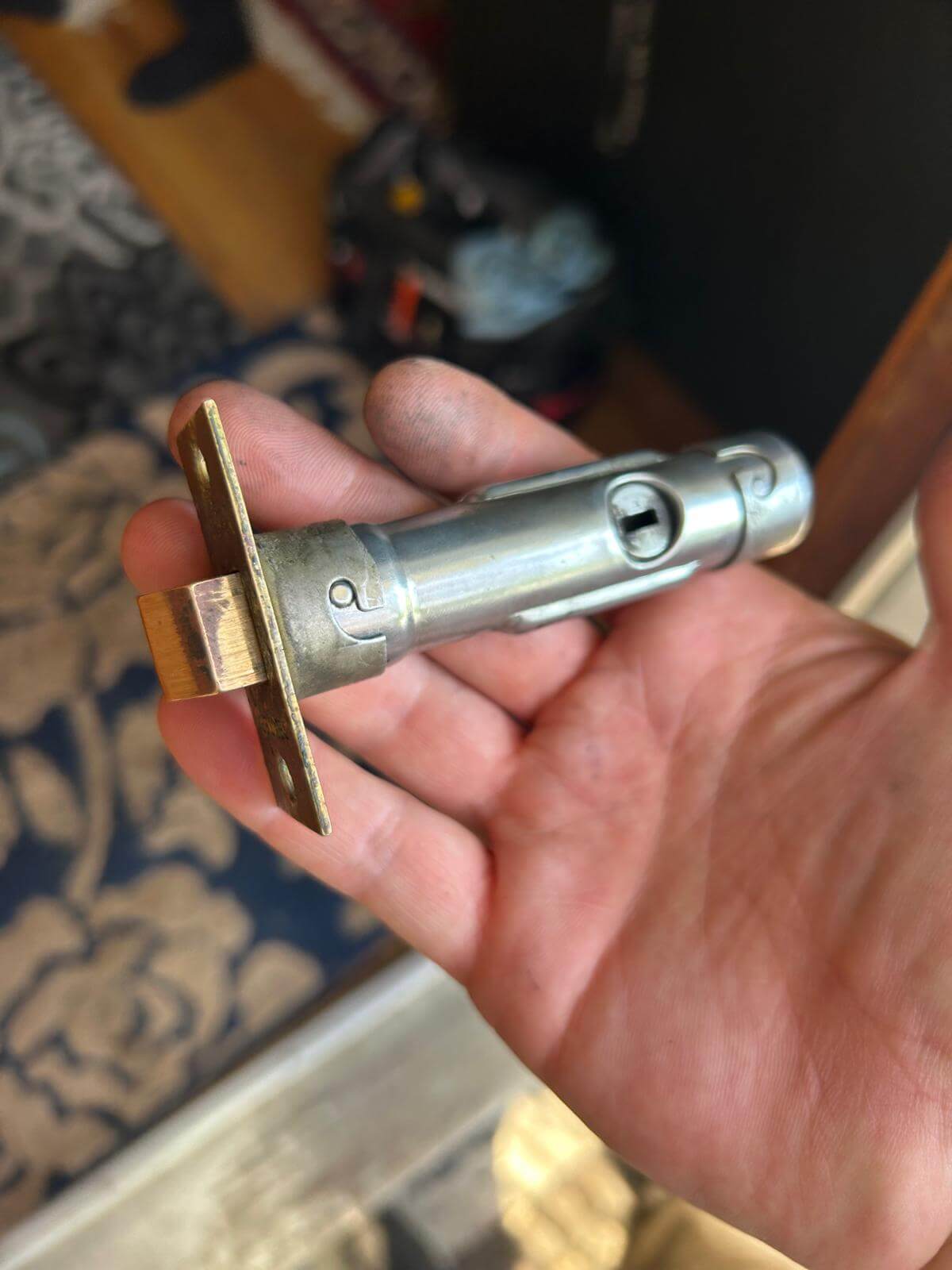
Usually not. In many cases we replace only the cylinder inside your existing hardware, which keeps the look of your door and costs considerably less than a full lockset. We will tell you on-site which applies to your door.
Will a high-security lock stop someone from just breaking a window?
No, and nobody honest will claim otherwise. Locks manage who can walk in through a door, which is how the overwhelming majority of entries around here actually happen. Glass is a different problem, solved with laminated glass, film or alarms.
Find Out What Your Doors Actually Need
 The right answer might be a full high-security upgrade, or it might be three-inch screws and a rekey. We will look at your doors and tell you which. Defense Locksmith fits high-security cylinders, reinforced strikes and restricted master key systems across Buffalo, Erie County and Niagara County. Call (716) 803-2934 for a straight quote, or see our residential and access control options.
Official resources
- ALOA Security Professionals Association — find a credentialed locksmith
- NYS Department of State — verify a New York business entity
- City of Buffalo — local codes and resources